

Time to Upgrade Your Coolant Purification System? 5 Key Indicators
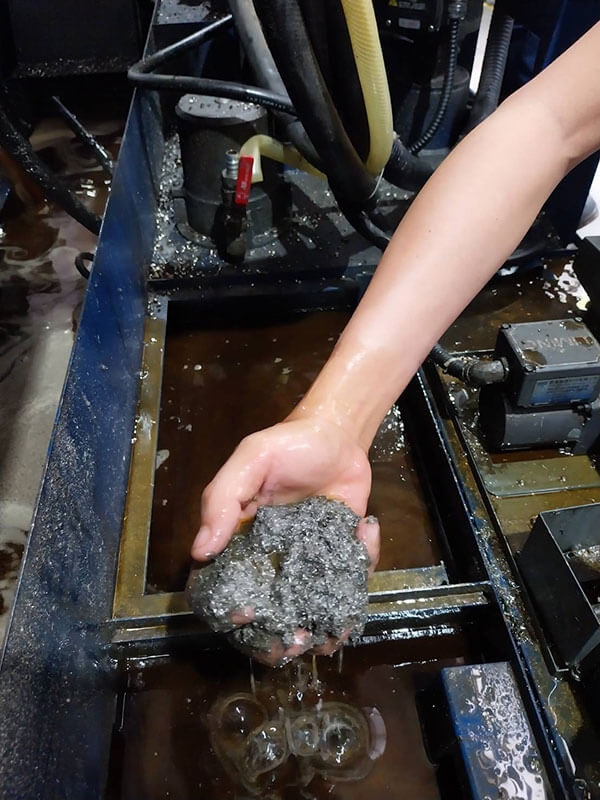
In many machining plants, coolant problems do not appear all at once. They build gradually through shorter coolant life, heavier oil contamination, more sludge in tanks, unstable fluid conditions, and increasing maintenance effort. When these issues begin to appear repeatedly, the current purification setup may no longer match actual production needs.
To make evaluation easier, this article outlines five practical indicators that help determine when a coolant purification system should be upgraded. These indicators help identify the problem earlier, clarify internal discussions, and shorten the time needed to define the right improvement direction.
Key Takeaways for Quick Evaluation
- Frequent coolant replacement indicates insufficient filtration capacity.
- Rapid return of tramp oil and odor signals poor separation and bacteria growth.
- Fast sludge buildup leads to surface finish degradation on workpieces.
- Rising maintenance hours point to an over-reliance on manual labor.
- Unstable pH and concentration levels directly affect overall machining precision.
Why Upgrade Timing Matters for Machining Operations
A coolant purification system affects more than tank cleanliness. It directly influences coolant lifespan, fluid stability, machine uptime, routine maintenance, and wastewater handling. If purification capacity falls behind the contamination load, the result is usually a steady increase in operating costs and daily management difficulty.
For this reason, upgrade decisions should be based on visible operating signals rather than waiting until coolant problems become routine across the shop floor. Delaying an upgrade often leads to hidden costs, including increased tool wear, poor production quality, and unplanned machine downtime.
Indicator 1: Coolant Replacement Becomes More Frequent
One of the clearest signs is that coolant needs to be replaced more often than before. If replacement intervals continue to shorten under similar operating conditions, the issue may not be the coolant itself, but the system’s ability to remove tramp oil, bacteria, and suspended contaminants effectively.
When purification is insufficient, fluid quality drops faster, odor develops sooner, and the usable life of the coolant becomes harder to maintain. This constant dumping and refilling also drives up the cost of new coolant purchases and waste disposal, cutting into overall profitability.
What to Check on the Shop Floor
- Coolant drains and refills happen more often than in previous cycles.
- Fresh coolant loses performance sooner than expected.
- Fluid conditions become difficult to stabilize shortly after refilling.
Indicator 2: Tramp Oil and Odor Return Quickly
A second key indicator is the repeated return of tramp oil and unpleasant odor. This usually shows that contamination is not being removed thoroughly enough from the coolant tank.
In many plants, a visible oil layer on the coolant surface is not only a cleanliness issue. It acts as a seal, blocking oxygen from reaching the fluid, which accelerates anaerobic bacteria growth. This bacterial bloom degrades the coolant components and creates a foul smell. If odor returns soon after cleaning, it is often a sign that the current system is only addressing the surface of the problem, leaving emulsified oils and harmful bacteria behind.
The Hidden Impact of Recurrent Contamination
Repeated tramp oil issues do more than create odors; they can also lead to skin irritation for operators and cause a sticky residue to form on machine components, leading to further mechanical wear over time.
Indicator 3: Sludge and Fine Particles Accumulate Faster
If coolant tanks collect sludge, metal fines, or floating residues faster than the current system can remove them, purification performance may no longer be adequate for present machining conditions.
This often happens when production volumes increase, machining cycles become longer, or the contaminant load changes due to different materials or processes. Over time, excessive particle buildup can make coolant maintenance more difficult, cause microscopic damage to workpieces, and reduce overall fluid stability.
Evaluating Contamination Signals
The table below summarizes how to evaluate contamination-related upgrade signals more clearly, helping teams prioritize their equipment investments based on actual shop floor observations.
| Indicator | What It Suggests | Upgrade Priority |
| Thick tramp oil layer forms repeatedly | Oil separation capacity is insufficient | High |
| Sludge settles in tanks within short intervals | Solid removal is too limited | High |
| Fine particles remain visible in the coolant | Filtration performance no longer matches demand | High |
| Manual cleaning becomes more frequent | The system depends too much on labor support | Medium to High |
| Contamination levels vary widely by machine | Purification coverage is inconsistent | Medium to High |
If several of these conditions appear together, the plant should begin evaluating a higher-capacity or more integrated purification solution before production quality is compromised.
Indicator 4: Maintenance Work Continues to Increase
A coolant purification system should reduce maintenance pressure, not add to it. If tank cleaning, sludge removal, oil skimming, and fluid checks are taking more time each month, that is a strong sign the current setup is losing effectiveness.
This increase in maintenance demand may not always appear in one large cost item, but it often shows up in repeated interruptions, extra cleaning routines, and a greater dependence on manual handling. When highly skilled staff spend excessive time managing coolant instead of optimizing production, overall plant efficiency drops.
Common Signs of a Rising Maintenance Load
- Tank cleaning intervals become significantly shorter.
- Sludge removal becomes part of routine daily work.
- More time is needed to monitor and adjust coolant conditions.
- The same contamination issues reappear immediately after cleaning.
Indicator 5: Fluid Stability and Machining Conditions Become Harder to Control
The fifth indicator is reduced process stability. When coolant quality becomes inconsistent, plants often find it harder to maintain a predictable machining environment. Even if the machine continues running, the fluid condition may fluctuate more than it should, leading to inconsistent pH levels and concentration drops.
At the same time, wastewater treatment and disposal pressure may also increase when coolant degrades too quickly. This turns coolant purification into both an operational and sustainability issue. Frequent tool breakage or unexpected rust on finished parts are common side effects of this instability, directly impacting the bottom line.
Turning These Indicators into a Clear Upgrade Decision with HC Feng
When several of these five indicators appear at the same time, the issue is no longer temporary. More frequent coolant replacement, recurring oil and odor, faster sludge accumulation, rising maintenance demands, and unstable fluid conditions together provide a clear signal that a system upgrade is essential.
For machining plants that want to resolve these issues systematically, the most effective approach is to look beyond single symptoms and address the complete contamination cycle. With deep expertise in industrial fluid management, HC Feng designs comprehensive coolant purification systems that tackle heavy contamination without interrupting daily operations.
How HC Feng Upgrades Your Operations
Rather than relying on manual labor, facilities can utilize advanced automated solutions to target the complete contamination cycle:
- BEST-1 Cutting Oil Filtration System: Seamlessly integrates oil skimming, ozone bacteria control, and precise filtration into a single unit. It continuously separates tramp oil and permanently eliminates foul odors, drastically extending coolant life.
- Foodie Chip Sludge Removal Machine: Designed for environments dealing with heavy particulate loads, these specialized systems capture fine metal residues in the tanks.
By upgrading to a more capable, integrated setup with HC Feng, facilities can eliminate the burden of manual tank cleaning, significantly cut wastewater disposal costs, and build a highly stable, sustainable manufacturing environment.
You May Be Interested In: