

Why Does Cutting Fluid Go Bad, Smell Bad, or Cause Rust?
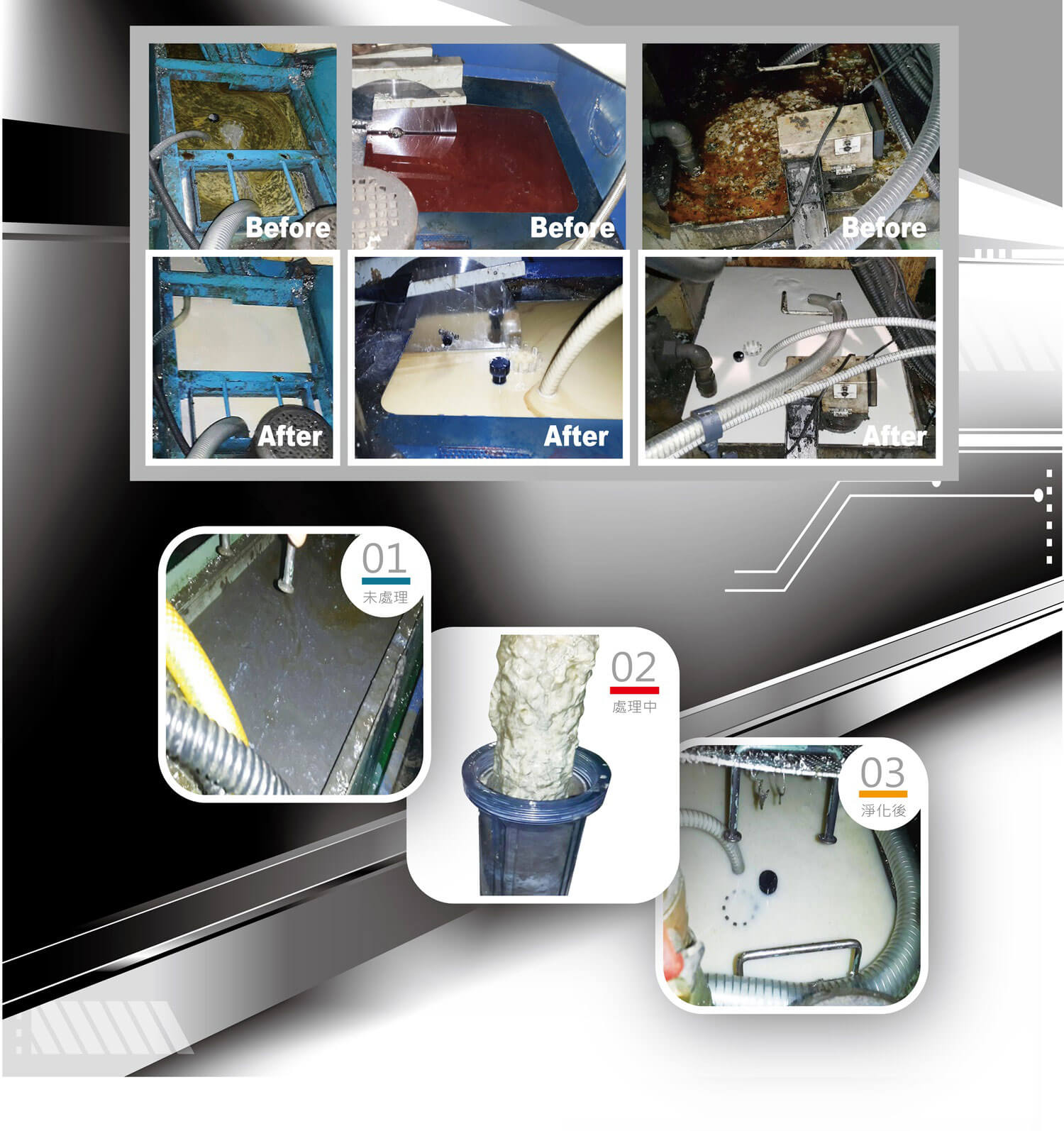
In CNC machining, cutting fluid problems often show up in three ways: the coolant goes bad, develops a bad smell, or starts contributing to rust on parts or machine surfaces. These issues are usually connected. When tramp oil, metal fines, sludge, bacteria, or poor concentration control affect the coolant system, the fluid can lose stability and become less effective.
Once coolant condition starts to decline, manufacturers may face bad odor, corrosion risk, shorter tool life, unstable surface finish, and more frequent coolant replacement. In many cases, these are early signs that the coolant system is no longer being controlled effectively.
Why Does Cutting Fluid Go Bad?
Cutting fluid goes bad when contamination builds up faster than the system can control it.
During machining, coolant continuously carries away chips, fines, and heat. At the same time, guideway oil, lubricating oil, and other foreign oils may enter the coolant tank. If these contaminants remain in the system, the fluid gradually loses stability and becomes less effective.
Common reasons coolant goes bad include:
- tramp oil contamination
- metal fines and sludge buildup
- bacterial growth
- incorrect coolant concentration
- poor sump cleaning and maintenance
- water quality problems
Once coolant condition becomes unstable, it is more likely to create odor, corrosion risk, and machining inconsistency.
Why Does Cutting Fluid Smell Bad?
If cutting fluid smells bad, the most likely reason is that the coolant has become contaminated and started supporting bacterial growth.
One major trigger is tramp oil. When tramp oil floats on the coolant surface, it forms a layer that interferes with normal fluid condition and makes the tank harder to keep clean. Combined with sludge, fines, and long service intervals, this creates an environment where odor problems are more likely to develop.
Bad coolant odor is commonly associated with:
- tramp oil remaining in the tank
- dirty sump conditions
- bacteria in aged coolant
- poor concentration control
- delayed cleaning or fluid replacement
A bad smell is not only a maintenance issue. It usually signals that the coolant is no longer in good operating condition and may soon begin affecting machining performance.
Why Is My Cutting Oil Causing Rust?
If you are asking “why is my cutting oil causing rust?”, the issue is usually related to loss of coolant protection, not simply the presence of fluid itself.
Cutting fluid is expected to help protect parts during machining, but rust can appear when the fluid is no longer providing enough corrosion resistance.
The most common causes are:
1. Coolant concentration is too low
When concentration falls below the recommended range, anti-rust protection may weaken.
2. The coolant is heavily contaminated
Tramp oil, sludge, and fines can reduce fluid stability and overall effectiveness.
3. The fluid has started to degrade
A degraded coolant system may no longer protect parts as intended.
4. Water quality is affecting fluid performance
Poor or inconsistent water quality can interfere with coolant behavior and increase corrosion risk.
5. Parts stay wet too long after machining
If moisture remains on the part surface for too long, flash rust may occur more easily.
So when cutting oil causes rust, it usually means the coolant system needs attention rather than indicating that all cutting fluid is inherently corrosive.
What Problems Can These Coolant Issues Lead To?
When coolant goes bad, smells bad, or starts causing rust, the impact is not limited to the fluid itself. It can also lead to:
- shorter tool life
- unstable machining quality
- inconsistent surface finish
- more frequent tank cleaning
- higher coolant replacement cost
- more waste fluid disposal
- operator discomfort, including skin irritation
- additional maintenance workload
For manufacturers, this means coolant problems can directly affect both production efficiency and operating cost.
What Should You Check First?
If you are already seeing odor or rust problems, start with a basic coolant inspection.
Check the following:
- Is there tramp oil floating on the coolant surface?
- Has sludge or fine metal debris built up in the tank?
- Is the coolant concentration still within the recommended range?
- Does the coolant show signs of aging, discoloration, or contamination?
- Has the tank been cleaned regularly?
- Is the current treatment method removing more than just floating oil?
These checks help identify whether the issue is minor maintenance drift or a recurring system-level problem.
Is a Basic Oil Skimmer Enough?
Many CNC machines use a simple oil skimmer to remove floating tramp oil. This is useful for basic oil separation, but it does not solve every coolant problem.
A basic oil skimmer may help reduce surface oil, but it usually does not fully address:
- bacterial contamination
- fine particles in the coolant
- sludge accumulation
- persistent odor
- repeated rust-related complaints
If the same issues keep returning after routine maintenance, the problem may require a more complete coolant treatment approach.
A More Effective Way to Stabilize Coolant Condition
For manufacturers dealing with recurring coolant deterioration, bad odor, or rust risk, coolant treatment should focus on more than oil removal alone.
HC FENG’s Cutting Coolant Purification Equipment (Model: BEST-1) is designed to improve coolant condition through multiple functions, including:
- impurity filtration
- oil-water separation
- deodorization
- sterilization support through ozone treatment
By improving coolant cleanliness and stability, manufacturers may be able to:
- extend coolant service life
- reduce odor problems
- lower contamination-related downtime
- reduce cleaning frequency
- improve tool life
- maintain more consistent machining quality
- reduce coolant replacement and disposal costs
This makes coolant control more sustainable for production environments where contamination returns quickly and manual maintenance alone is not enough.
Not Just for Stability—See the Financial Impact
Stabilizing your coolant is just the first step. The BEST-1 system also directly impacts your bottom line by reducing waste and extending fluid life.
- Cost Reduction After Using BEST-1: A detailed breakdown of how continuous purification lowers overall operational expenses.
- How to Achieve 40% Less Coolant Disposal: Learn how reducing waste fluid directly shrinks your environmental footprint and high disposal fees.
When Coolant Problems Keep Coming Back
If cutting fluid keeps going bad, cutting fluid smells bad repeatedly, or rust continues to appear after machining, the issue is often a sign that the coolant system is not being controlled deeply enough.
In these situations, removing floating oil alone may not be sufficient. A more complete filtration and purification method can help manufacturers manage contamination earlier, maintain coolant performance longer, and reduce the production risks linked to unstable fluid condition.