

How to Reduce Downtime, Filter Consumables, and Coolant Waste in CNC Tank Cleaning
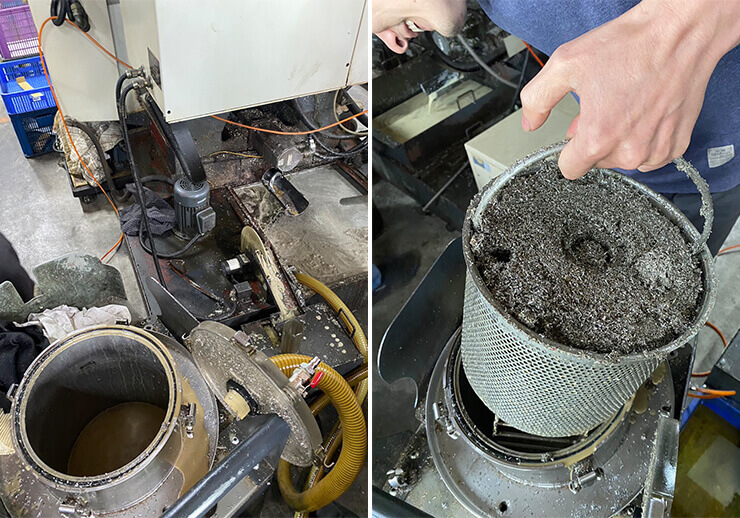
During CNC machining, metal chips and sludge can accumulate in coolant tanks. Removing these contaminants is an important part of routine machine maintenance, but conventional cleaning methods may require operators to stop the machine, drain the coolant, and manually remove debris. In addition to the cleaning work itself, manufacturers must consider maintenance interruptions, filter consumables, and coolant disposal.
Choosing an appropriate cleaning method can help address these challenges while making routine maintenance more manageable.
How Can Manufacturers Reduce Downtime During Coolant Tank Cleaning?
Conventional coolant tank cleaning may involve machine shutdown, coolant drainage, and tank removal to access accumulated chips and sludge. Depending on the machine configuration and the amount of debris, these procedures can interrupt production and require considerable manual effort.
Suction-based chip and sludge removal equipment offers an alternative for routine cleaning. By collecting contaminants directly from the coolant tank, operators may be able to reduce the need for tank disassembly and extensive manual cleaning. However, whether the machine can remain operational during cleaning depends on the equipment design and applicable safety requirements.
Can Reusable Filters Reduce Maintenance Consumables?
Some coolant filtration systems use disposable filter media that require periodic replacement. In addition to the cost of replacement materials, these consumables create additional maintenance tasks and waste.
Cleaning equipment with reusable filter baskets provides another option. Metal chips and sludge are collected in the basket, which can then be emptied, cleaned, and reused. This approach reduces reliance on disposable filter media while allowing operators to manage accumulated debris more conveniently. Regular inspection and cleaning of the filter basket are still necessary to maintain its functionality.
How Can Coolant Waste Be Minimized During Tank Cleaning?
Draining an entire coolant tank to remove accumulated debris may result in unnecessary coolant disposal, particularly when the cutting fluid remains suitable for continued use.
Cleaning systems that separate chips and sludge from the coolant and return the filtered fluid to the tank can help reduce this waste. However, removing solid contaminants does not necessarily restore coolant quality. Coolant concentration, contamination levels, and overall fluid condition should still be monitored to determine when maintenance or replacement is required.
For related information on coolant treatment methods, see All-in-One Solution of Coolant Purification.
Making CNC Coolant Tank Cleaning More Efficient with Less Waste
An effective coolant tank cleaning approach should balance maintenance efficiency with responsible coolant management. Selecting equipment that simplifies debris removal and allows cutting fluid to be reused when appropriate can help manufacturers reduce unnecessary maintenance work and waste.
HC FENG's Foodie Chip and Sludge Removal Machine addresses these needs through pneumatic suction, reusable filtration, and coolant return. By integrating these functions into the cleaning process, Foodie offers a practical way to manage accumulated chips and sludge while making routine CNC coolant tank maintenance more convenient.