

Coolant Purification Solution for Die Casting Mold
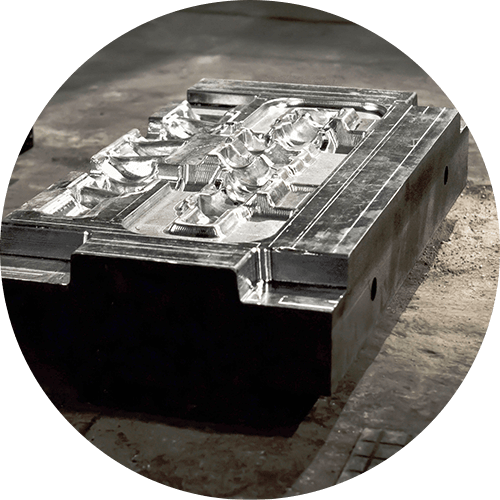
Die Casting Mold Machining | Coolant Purification and Maintenance Solutions
HC FENG BEST-1 Coolant Purification System helps die casting mold manufacturers manage coolant contamination, reduce unnecessary fluid replacement, and simplify routine CNC machine maintenance.
Die casting molds are manufactured through processes such as CNC milling, drilling, and precision finishing of mold steels. These operations generate metal chips and other debris, while lubricating oil from machine components can enter the coolant system during extended machining cycles.
As contaminants accumulate, mold manufacturers may face more frequent tank cleaning, coolant replacement, and related maintenance costs. Managing coolant condition is particularly important for facilities operating multiple CNC machines or running long machining cycles.
The BEST-1 Coolant Purification System combines filtration, oil-water separation, and ozone treatment to help address these maintenance challenges.
Common Coolant Management Challenges in Die Casting Mold Machining
Tramp Oil Contamination
Lubricating oils from CNC machine components can enter the coolant during mold machining, forming surface oil films and floating oil layers. Conventional oil skimmers primarily remove free-floating oil but do not address metal debris or other contaminants in the coolant.
When tramp oil accumulates, it can contribute to coolant deterioration and increase the need for inspection, cleaning, and maintenance.
Metal Chips and Fine Contaminants
Drilling, milling, and precision finishing of mold steels generate metal chips and particles that may enter coolant tanks and circulation systems. Depending on the machining process, these contaminants can vary in size and accumulate in different parts of the coolant system.
Without suitable filtration and regular tank maintenance, accumulated debris can increase cleaning requirements and interfere with coolant circulation.
Coolant Deterioration, Odors, and Microbial Contamination
During extended use, coolant may develop unpleasant odors and deteriorate due to microbial growth and accumulated contaminants. These issues increase cleaning and replacement requirements and may affect operator comfort and the working environment.
Frequent Coolant Replacement and Machine Downtime
Coolant replacement involves not only fresh fluid costs but also waste disposal, cleaning labor, machine downtime, and refilling. Frequent manual tank cleaning and premature coolant replacement can increase operating costs and disrupt production schedules.
HC FENG's Solution: Automated Coolant Purification
The BEST-1 Coolant Purification System helps manufacturers improve coolant maintenance through the following functions.
Stainless Steel Filtration
BEST-1 uses a stainless steel filter to capture machining chips and particles within its filtration capacity, helping reduce debris accumulation in the coolant system.
The filter can be rinsed with clean water or cleaned with an air gun for convenient routine maintenance.
Oil-Water Separation
BEST-1 integrates oil-water separation to help remove free-floating tramp oil from coolant. Unlike equipment designed only for surface oil skimming, BEST-1 combines oil separation with particle filtration and ozone treatment.
When used alongside proper coolant concentration management and routine fluid checks, this treatment can help reduce contamination-related coolant replacement and support longer coolant service life.
Ozone Treatment
The built-in ozone treatment system helps manage microbial contamination and associated odors in used coolant. Its effectiveness depends on coolant conditions and the level of contamination.
An optional pH monitoring device is available to help operators track coolant pH changes as part of routine fluid condition checks. The device provides monitoring information rather than automatically adjusting coolant pH.
Automated Operating Schedule
The intelligent control panel allows operators to schedule equipment operation according to production requirements. Scheduled purification reduces the need to manually start each treatment cycle and helps maintain a more consistent coolant maintenance routine.
This can be particularly useful for mold manufacturing facilities operating multiple CNC machines.
Modular Design for Easy Maintenance
The modular design simplifies routine cleaning and component replacement. Combined with the reusable, cleanable stainless steel filter, it helps make equipment maintenance more convenient.
Benefits of Implementing BEST-1
Extend Coolant Service Life
Ongoing filtration and contamination management help reduce the accumulation of tramp oil and machining debris, supporting longer coolant service life and fewer replacements.
Reduce Operating and Waste Disposal Costs
Reducing unnecessary coolant changes can help lower waste coolant disposal volumes, cleaning labor, and related maintenance expenses.
Support Consistent Machining Conditions
Maintaining coolant cleanliness helps reduce the accumulation of contaminants that may interfere with coolant circulation and routine machine operation. For die casting mold manufacturers, this supports more consistent coolant maintenance during extended CNC machining cycles.
Improve Maintenance and Production Efficiency
Scheduled purification allows coolant treatment to become part of regular maintenance routines rather than relying entirely on manual intervention. For facilities managing several CNC machines, this can help operators organize coolant maintenance tasks and reduce the need for unplanned servicing caused by contamination.
Why Choose HC FENG?
HC FENG specializes in coolant purification and machining fluid maintenance solutions, helping manufacturers address practical challenges in daily CNC operations. Rather than focusing solely on individual contaminants, HC FENG offers equipment designed to support different aspects of coolant maintenance.
For die casting mold manufacturers, selecting a suitable purification system involves more than comparing equipment features. Factors such as CNC machine quantity, coolant tank capacity, machining conditions, and contamination levels can influence equipment suitability. HC FENG helps customers evaluate these requirements and identify appropriate coolant management solutions for their operations.
Get More Value from Your Coolant
Want to know whether BEST-1 is suitable for your CNC mold machining operations?
Contact HC FENG today. Our team can help evaluate a suitable coolant purification solution based on your machine quantity, coolant tank capacity, contamination conditions, and production requirements.
HC FENG — Smarter Coolant Management for More Efficient Machining.